

The Importance of Personal Hygiene: Protecting Your Health One Wash at a Time
Share
Personal hygiene is one of the simplest yet most important ways to protect your health and the health of those around you. While bathing regularly and washing your hands may seem like basic habits, these daily routines play a critical role in preventing illness, maintaining healthy skin, and promoting overall well-being.
In today's busy world, it's easy to overlook the importance of proper hygiene. However, neglecting these practices can lead to a variety of health issues that impact both your physical health and your quality of life.
Why Personal Hygiene Matters
Your skin is your body's largest organ and serves as a protective barrier against bacteria, viruses, fungi, and other harmful microorganisms. Throughout the day, your skin accumulates dirt, sweat, oils, and environmental pollutants. Without regular cleaning, these substances can create an ideal environment for germs to thrive.
Proper hygiene helps:
● Reduce the spread of harmful bacteria and viruses
● Prevent skin infections and irritation
● Minimize body odor
● Support healthy skin function
● Lower the risk of illness
● Promote confidence and self-esteem
Simply put, maintaining good hygiene is one of the easiest and most effective ways to protect your health.
The Risks of Not Bathing Regularly
Skipping baths or showers occasionally may not cause immediate problems, but consistently neglecting personal hygiene can lead to several health concerns.
Skin Infections
When sweat, dirt, and bacteria build up on the skin, they can clog pores and contribute to bacterial or fungal infections. Conditions such as folliculitis, athlete's foot, and other skin irritations become more likely when the skin isn't cleaned regularly.
Acne and Breakouts
Excess oil, dead skin cells, and environmental debris can accumulate on the skin's surface. This buildup can clog pores and increase the likelihood of acne and blemishes.
Unpleasant Odor
Body odor develops when bacteria break down sweat on the skin. Regular bathing helps remove both sweat and odor-causing bacteria before they become a problem.
Increased Risk of Illness
Poor hygiene can allow harmful microorganisms to remain on the skin longer, increasing the chances of infection and spreading germs to others.
The Dangers of Poor Handwashing Habits
While bathing is important, proper handwashing may be the single most effective hygiene practice for preventing illness.
Your hands come into contact with countless surfaces every day, including doorknobs, shopping carts, phones, keyboards, and public spaces. These surfaces can harbor bacteria, viruses, and other pathogens that easily transfer to your hands.
Without proper handwashing, those germs can enter your body when you:
● Touch your face
● Rub your eyes
● Eat food
● Handle drinks
● Prepare meals
Poor hand hygiene has been linked to the spread of:
● Common colds
● Influenza (flu)
● Stomach viruses
● Foodborne illnesses
● Respiratory infections
According to health experts, proper handwashing with soap and water can significantly reduce the spread of infectious diseases.
Best Practices for Good Personal Hygiene
Maintaining proper hygiene doesn't have to be complicated. Following a few simple habits can make a major difference.
Wash Your Hands Correctly
When washing your hands:
- Wet your hands with clean water.
- Apply soap.
- Lather thoroughly, including between fingers and under nails.
- Scrub for at least 20 seconds.
- Rinse thoroughly.
- Dry with a clean towel or air dryer.
Be especially diligent about washing your hands:
● Before eating
● Before preparing food
● After using the restroom
● After coughing or sneezing
● After touching frequently used public surfaces
Bathe Regularly
Most people benefit from bathing or showering regularly to remove dirt, sweat, oils, and bacteria from the skin.
Pay special attention to:
● Underarms
● Feet
● Groin area
● Hands
● Face
Use Quality Soap Products
Choosing high-quality soaps can help support healthy skin while effectively cleansing away dirt and germs.
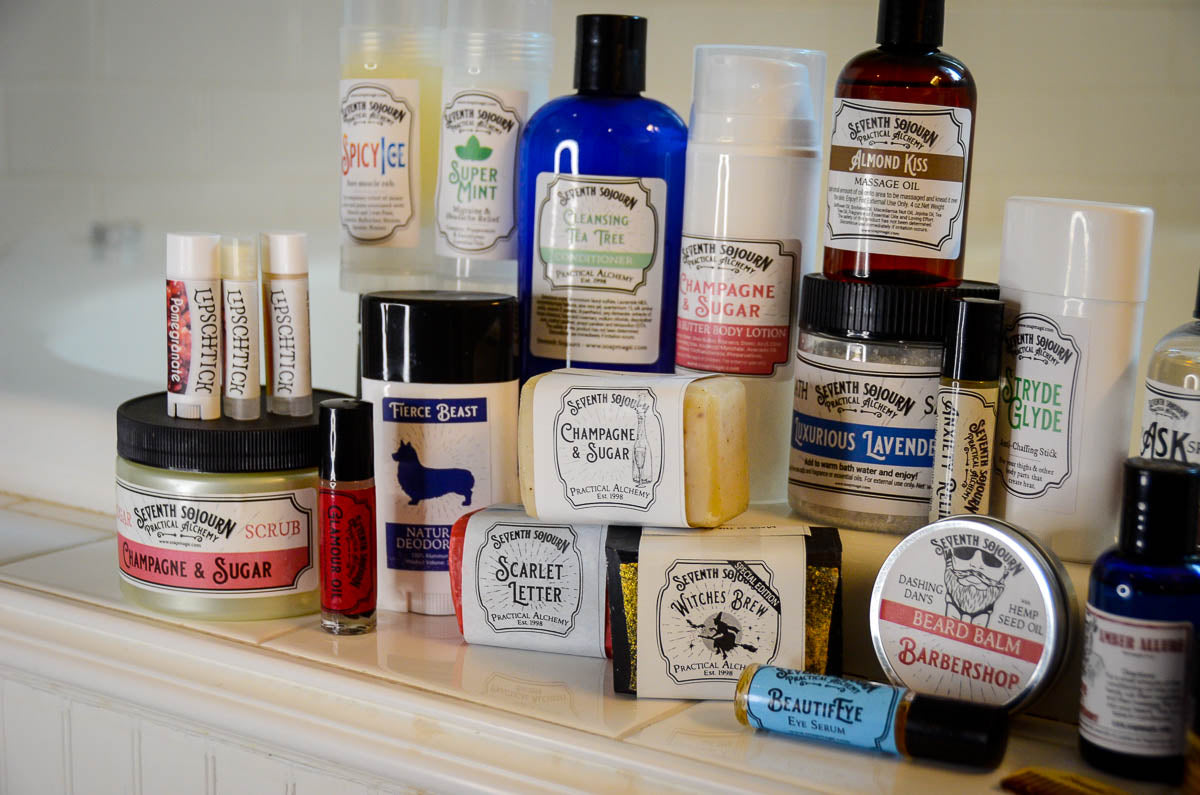
The handcrafted soaps available from Seventh Sojourn offer a variety of options designed to cleanse the skin while providing nourishing ingredients that help maintain skin health.
Some popular examples include:
● Activated Charcoal Soap – Often chosen by individuals looking for a deep-cleansing soap that helps remove dirt and excess oils.
● Goat Milk Soaps – Known for their moisturizing qualities and gentle cleansing properties.
● Oatmeal-Based Soaps – Popular for those seeking a gentle exfoliating experience while supporting healthy skin.
● Herbal and Essential Oil Soaps – Offer refreshing scents while helping create a pleasant bathing routine.
Using a quality soap can make daily hygiene more enjoyable while encouraging consistency in your personal care routine.
Keep Your Skin Moisturized
Healthy skin functions best when properly hydrated. After bathing, consider using skin-friendly products that help maintain moisture and support your skin's natural barrier.
Building Better Hygiene Habits
Good hygiene isn't just about cleanliness—it's about prevention. Taking a few minutes each day to wash your hands properly and bathe regularly can help reduce the spread of germs, prevent skin problems, and support your overall health.
By combining consistent hygiene practices with quality cleansing products from companies like Seventh Sojourn, you can create a routine that helps keep your skin clean, healthy, and refreshed year-round.
Final Thoughts
Personal hygiene is one of the foundations of good health. Regular bathing and proper handwashing help protect against illness, reduce the risk of skin infections, and contribute to overall wellness. Whether you're washing your hands before a meal or enjoying a relaxing shower with a quality handcrafted soap, these small daily habits have a lasting impact on your health and quality of life.
Investing in good hygiene today can help prevent health problems tomorrow—making every wash an important step toward a healthier life.